The Art of Mixing: Methods and Effects


Mixing techniques can make or break your bake. Beating is all about vigor, ideal for whipping air into your creams and egg whites. Folding, conversely, is the gentle giant, eagerly retaining air when combining ingredients without deflating delicate structures.
The Importance of Knowing When to Stop

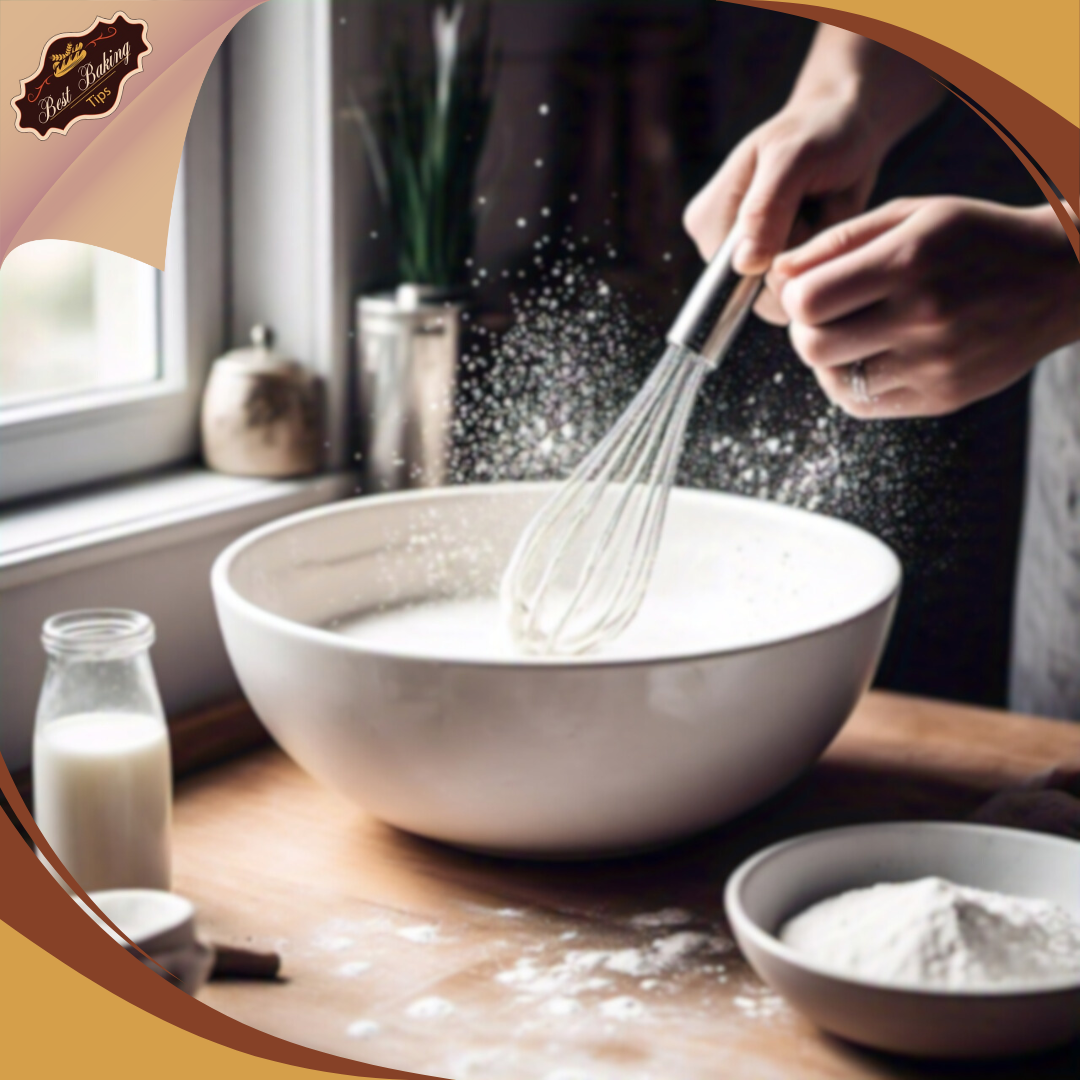
Over-mixing is a common stumbling block. It’s all about knowing when to stop. Too much mixing revs up gluten development, which could turn your lovely cake or muffin into something resembling a rubber ball. So, when you see that everything’s just combined, put down those tools!

Capturing Air

Capturing air in your batter is a neat trick for achieving that light and airy quality. Whether you’re using a humble whisk or a powerful stand mixer, maintaining a light hand can make all the difference. Those little air pockets expand with heat, helping your cakes and cookies rise to the occasion.

The Importance of Uniformity

Uniformity in your mixes is crucial. Think of it like this: you want every slice or bite to taste the same, right? Ensuring even distribution of ingredients helps achieve consistent flavor and texture, preventing any ‘where’s the chocolate?’ moments. Consistency is the key here, ensuring each part bakes evenly too.

The Effects of Humidity and Altitude on Baking

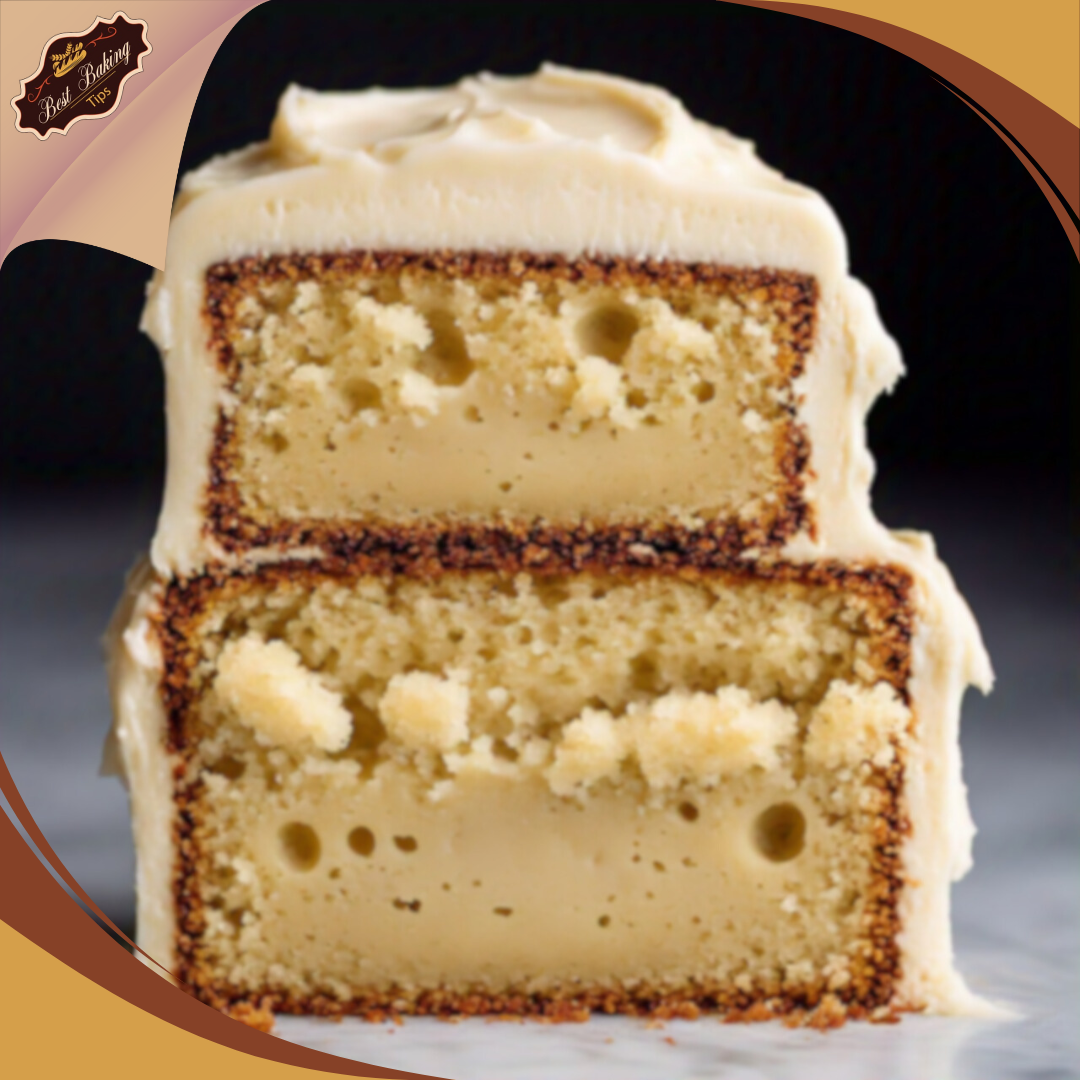
Humidity can be a silent saboteur in the kitchen. When there’s too much moisture in the air, it messes with your ingredients, especially dry ones like flour and sugar, throwing off the balance of your dough or batter. Baking in a humid environment might lead you to scale back on liquids or add extra flour to get the perfect consistency.
The Influence of Altitude

Altitude can play its own tricks. At higher altitudes, the air pressure is lower, which can make cakes rise more quickly and sometimes collapse. It’s all about tweaking your recipe to maintain structure, like reducing the sugar a tad, or upping the baking temperature to set those treats sooner.

Tackling Soggy Bottoms

Soggy bottoms are the bane of every baker, especially in humid areas. Combat this by slightly increasing baking times or opting for darker metal pans that manage moisture better, offering crisper finishes. Storage techniques, like airtight containers or refrigeration, are vital to keeping your baked goods in peak condition.

The Importance of Hydration

Hydration levels in your dough are critical, particularly in varying climates. Being mindful of environmental changes means sometimes you need to adjust your recipes. Start by controlling hydration, using visual clues and touch instead of relying entirely on fixed measures. This adaptable mindset helps you bake consistently great products, no matter the weather.

Tools and Technology in Baking Science

Kitchen technology has significantly evolved, offering a range of tools that enhance our baking experiences. From precise temperature control to efficient mixing and even cooking, these advancements empower us to achieve consistent and successful results in the kitchen.
Essential Baking Tools and Their Benefits

ToolBenefits
Oven ThermometerAccurate temperature readings for consistent baking results. Prevents over- or under-baking.
Stand MixerEnsures even mixing for consistent doughs and batters. Saves time and effort compared to manual mixing.
Food ProcessorEfficiently chops, mixes, and blends ingredients. Versatile for various tasks, from doughs to purees.
Convection OvenDistributes heat evenly for faster and more uniform cooking. Ideal for roasting, baking, and even dehydrating.
Non-stick BakewareEasy food release and minimal cleanup. Reduces the need for excessive greasing.

By understanding the capabilities and choosing the right tools for your baking needs, you can elevate your culinary skills and enjoy the satisfaction of creating delicious and consistently successful baked goods.

I hope this revised version is more effective!

Innovations in Baking: Historical and Modern Perspectives

Baking has undergone a remarkable transformation, evolving from ancient practices to the sophisticated techniques we utilize today. From the invention of leavening agents to the rise of sustainable and inclusive baking practices, the journey of baking reflects human ingenuity and a constant pursuit of innovation.

Key Milestones and Trends in Baking

Milestone/TrendImpact
Introduction of Baking PowderRevolutionized baking by providing a reliable and fast-acting leavening agent.
Sustainable Baking PracticesFocus on organic ingredients, waste reduction, and eco-friendly methods.
Plant-Based and Allergen-Free AlternativesExpanded accessibility and inclusivity in baking.
Automation in Commercial BakingIncreased efficiency, consistency, and labor savings in large-scale production.
Smart Oven TechnologyEnhanced precision and control over baking conditions in home kitchens.
3D Food Printing and Molecular GastronomyPioneering new frontiers in culinary creativity and innovation.

The future of baking promises to be even more dynamic and exciting. With continued advancements in technology and a growing emphasis on sustainability and inclusivity, the art and science of baking will continue to evolve, offering new possibilities for culinary exploration and enjoyment.

Comments

Popular posts from this blog

The science of baking