The Science of Baking: A Flourishing Symphony of Ingredients
Flour holds down the fort in baking. It’s the backbone, packing in gluten proteins that get all stretchy when mixed with water. This stretchy network traps air bubbles, giving bread and cakes their rise and chewy texture. In the world of flour, protein content is king. High-protein, or bread flour, leads to a hearty loaf, while low-protein, or cake flour, keeps sweets tender and light.
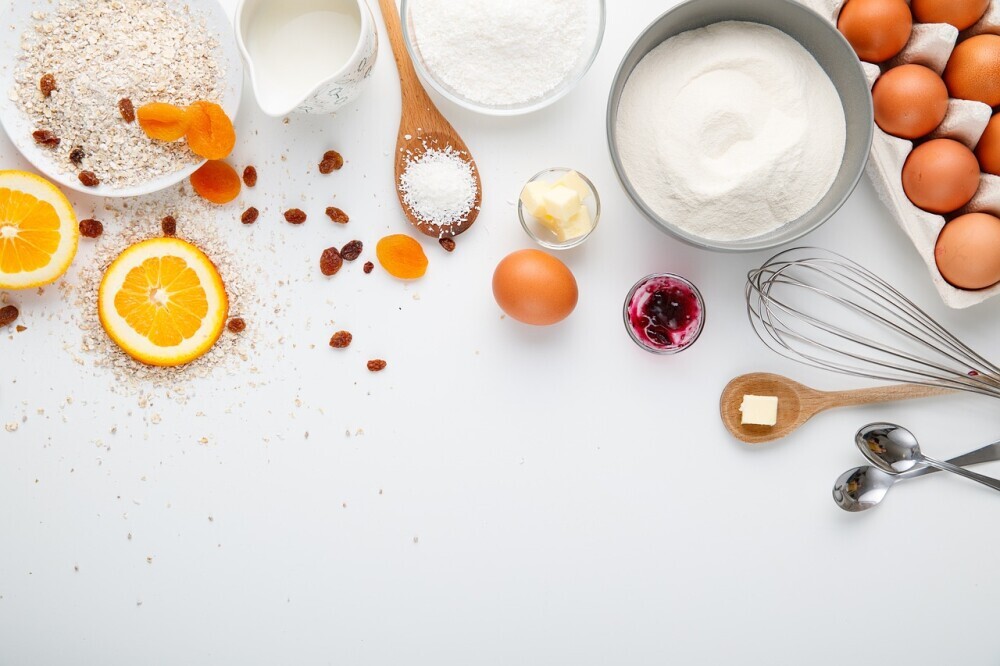
Sugars play a sweet double role. They’re not just about flavor; they’re actors in chemical transformations too. When heat hits, sugars break down in a process called caramelization, which gives those golden-brown beauties their rich flavor and color. Sugars also foster fermentation in dough, especially in breads, offering up carbon dioxide and alcohol, helping dough rise and develop flavor along the way.
Fats bring the fun with texture and taste. Butter, oils, and lard melt in the oven, creating steam that lifts baked goods to fluffy heights. They coat flour particles, reducing gluten formation—this is how you get that ultra-tender bite in a pie crust or cake. Fats also lock in moisture, extending a homemade bake’s shelf life that bit longer.
Baking would be pretty flat without leavening agents. Think baking soda, baking powder, and yeast. Baking soda needs an acid to react and get those bubbles moving. Baking powder, though, is a one-stop shop, packing its own acid for immediate and delayed reactions—great for a consistent lift. Yeast works a bit differently, munching on sugars to release carbon dioxide over time—a must for bread’s airy crumb.
Temperature and Time: Key Factors in Baking
Temperature is a baker’s best friend. It sparks the Maillard reaction, that sweet spot where proteins and sugars react to form new flavors and give baked goods their appetizing brown color. Knowing when and how to control temperature ensures everything from a flaky pastry to a well-cooked loaf of bread.
The clock is equally crucial. Baking isn’t just about getting hot but getting hot at the right pace. Time affects hydration and evaporation—too short, and your cookie’s floppy; too long, and it’s a crunchy mess. Mastering time involves knowing when to pull that cake out based on more than just oven time.
Preheating is the magic trick most of us forget. Starting with a hot oven means even heat distribution from the get-go, essential for consistent baked goods. Skipping this step might leave you with an uneven bake, cooked on the outside but raw in the middle.
Over-baking and under-baking are common pitfalls. Learn to recognize the signs of a perfectly baked good: golden tops, firm edges, and an internal temperature that’s just right (trust your thermometer, not the clock). With practice, developing this instinct will save your bakes from being too dry or staying doughy.


Comments
Post a Comment